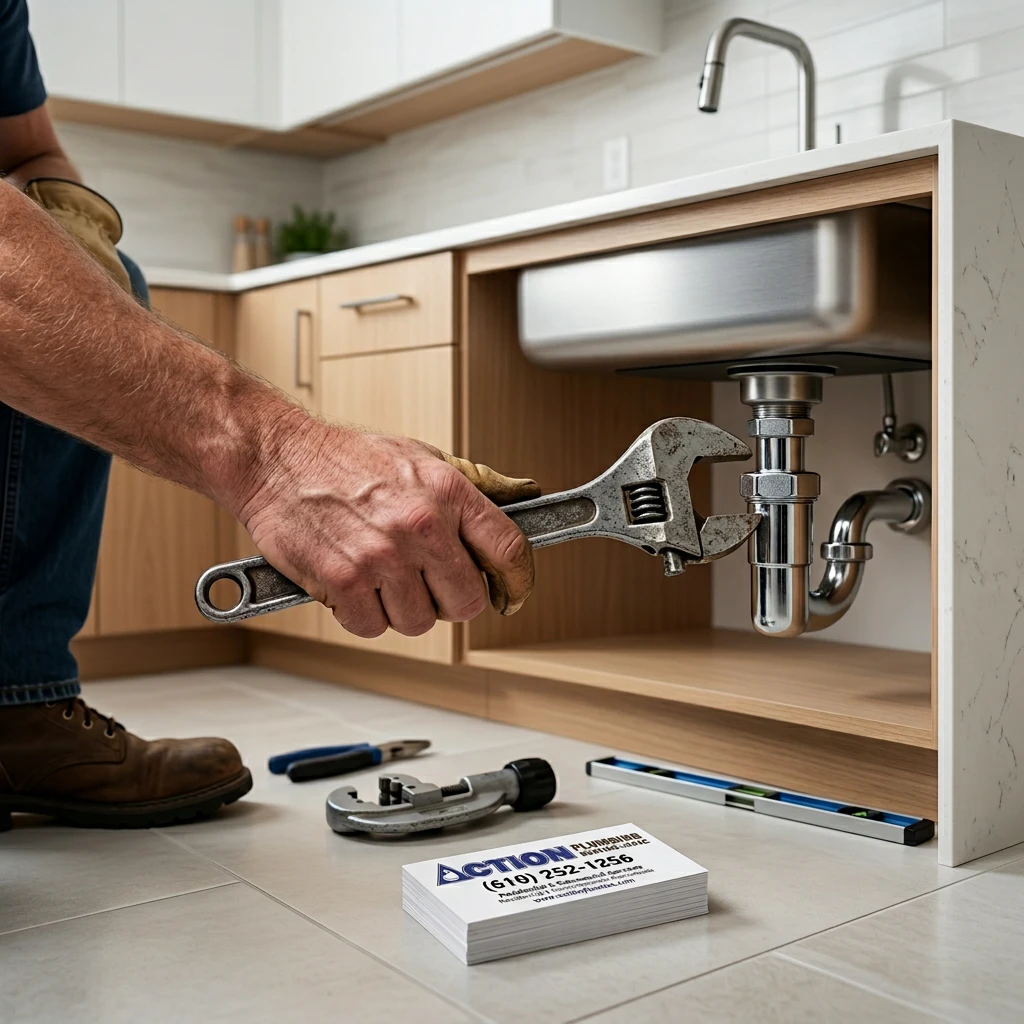
Ultimate Guide to Common Plumbing Problems in Older Homes
If you own an older home, your plumbing system may be outdated and prone to problems. The Lehigh Valley has plenty of beautiful older houses, and many still have original pipes and fixtures. Aging pipes, slow drains, and inefficient fixtures can lead to costly repairs if they're ignored. Here are the most common plumbing problems in older homes and the signs to watch for.
1. Galvanized Steel Pipes
Many homes built before the 1960s were plumbed with galvanized steel. Over the decades, these pipes corrode from the inside, which narrows the opening and eventually causes leaks.
Warning signs: low water pressure, rusty or discolored water, and leaks at joints.
2. Lead Pipes and Fittings
Very old homes may have lead service lines or lead solder on copper pipes. Lead is a serious health concern, especially for children. If you're unsure what your pipes are made of, have a licensed plumber inspect them and consider having your water tested.
3. Cast Iron Drain Lines
Cast iron drain pipes were built to last, but after many decades they can rust, crack, and scale up inside. This leads to slow drains and, eventually, leaks.
Warning signs: recurring clogs, sewer odors, visible rust or flaking on exposed pipes, and water stains on ceilings or walls below bathrooms.
4. Sewer Line Problems and Tree Roots
Older sewer lines, especially clay pipes, have joints that roots can squeeze through as they search for water. Over time, roots can block or break the line.
Warning signs: gurgling drains, multiple slow drains at once, sewage backups, and unusually lush patches of grass in the yard. A camera inspection can show exactly what's happening inside the line.
5. Low Water Pressure
Low pressure in an older home often comes from corroded pipes, mineral buildup in fixtures, or a failing pressure regulator. Cleaning aerators can help with a single fixture, but low pressure throughout the house usually points to a bigger problem.
6. Outdated or Undersized Water Heaters
An aging water heater loses efficiency as sediment builds up in the tank. Rumbling noises, rusty hot water, leaks around the base, or running out of hot water sooner than you used to are all signs it may be time for service or replacement.
7. Previous DIY Repairs
Older homes have often had many owners, and not every past repair was done to code. Mismatched pipe materials, improper venting, and missing traps can all cause leaks, odors, and drainage problems.
Should You Repipe?
You don't always need to replace everything at once. A plumber can inspect your system, identify the pipes most at risk, and help you decide whether targeted repairs or a full repipe makes the most sense for your home and budget.
Get a Professional Inspection
Action Plumbing Heating & HVAC works through a licensed and certified master plumber and has served Lehigh Valley homeowners for more than 30 years. We handle repairs, repiping, water heaters, and drain and sewer service. Call (610) 252-1256 to schedule an inspection. Every job is backed by our 30-day labor warranty.